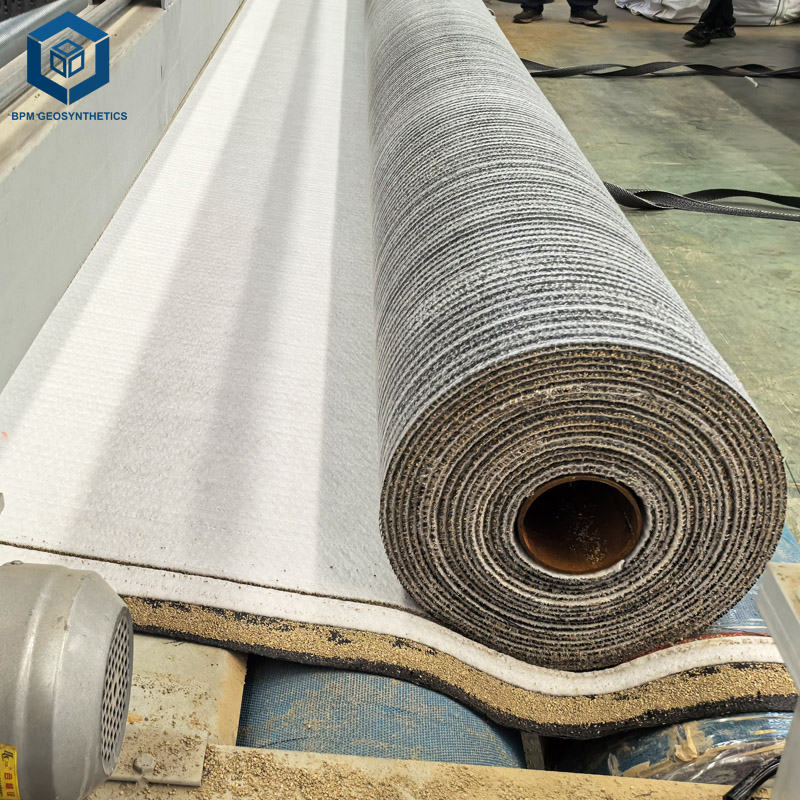
Geosynthetic Clay Liner GCL
Geosynthetic Clay Liner GCL is a high-performance composite liner made of natural sodium bentonite clay sandwiched between geotextile layers. When hydrated, the bentonite expands to form an extremely low-permeability barrier, making GCL an effective and environmentally friendly solution for seepage control in landfill, mining, water containment, and environmental protection projects.
Excellent Impermeability – Sodium bentonite forms a highly effective hydraulic barrier with extremely low permeability.
Self-Sealing Performance – The swelling bentonite can automatically seal small punctures or cracks.
High Durability – Strong geotextile layers provide mechanical strength and long service life.
Easy and Fast Installation – Factory-manufactured rolls allow quick deployment and reduce construction time.
Cost-Effective Alternative – Often replaces thick compacted clay liners while reducing material and labor costs.
Geosynthetic Clay Liner GCL – High-Performance Composite Barrier for Advanced Containment Systems
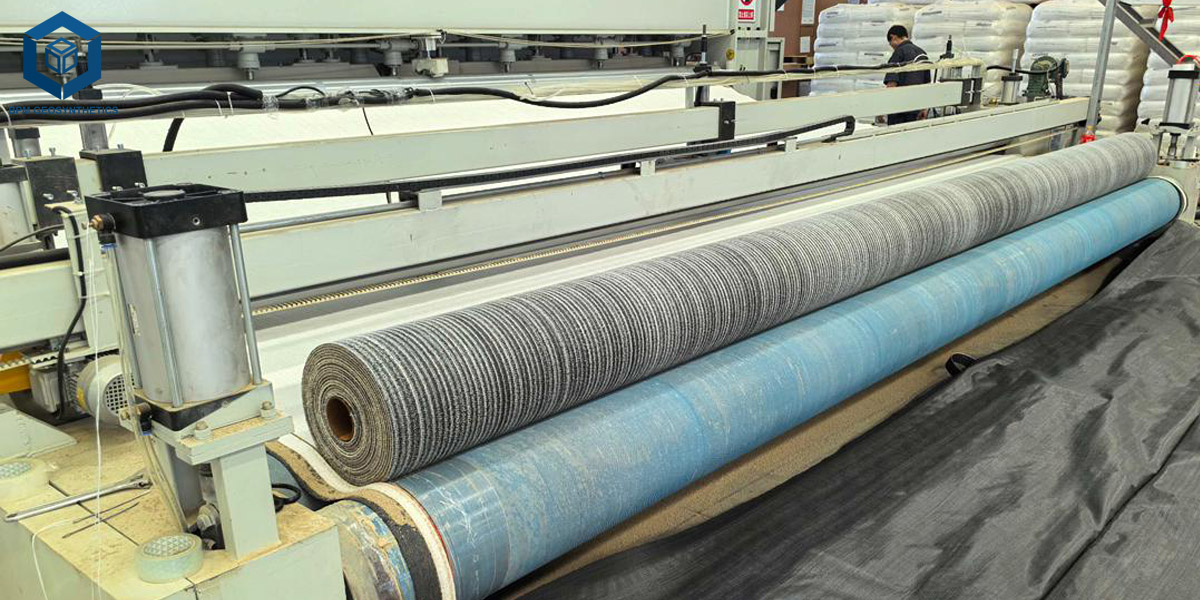
Geosynthetic Clay Liner GCL is an engineered hydraulic barrier widely used in modern environmental and civil engineering projects. It is manufactured by encapsulating a layer of natural sodium bentonite clay between two geotextile layers or bonding it to a geomembrane. Once hydrated, the bentonite clay swells and forms a dense, extremely low-permeability layer that effectively prevents the migration of liquids and contaminants. Due to its excellent sealing ability, ease of installation, and long-term stability, GCL has become a preferred alternative to traditional compacted clay liners in many containment applications.
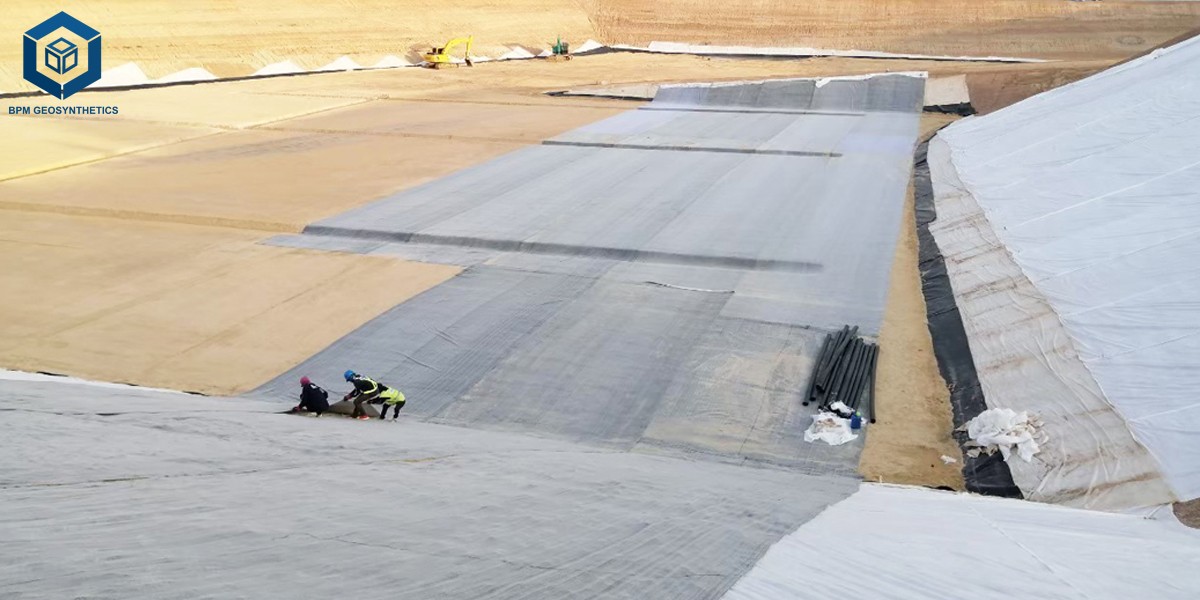
1. Geosynthetic Clay Liner GCL Product Structure and Composition
A typical GCL consists of three integrated components that work together to create a durable containment barrier:
1.1 Sodium Bentonite Core
The active sealing layer made from natural bentonite clay with exceptional swelling capacity and ultra-low permeability.
1.2 Geotextile Layers
Usually nonwoven or woven geotextiles that encapsulate the bentonite and provide tensile strength, puncture resistance, and dimensional stability.
1.3 Needle-Punched or Adhesive Bonding
Mechanical or adhesive bonding techniques are used to lock the bentonite between the geotextile layers, ensuring uniform distribution and preventing material migration during installation.
Some advanced GCL products may also include a geomembrane backing, forming a composite barrier system with enhanced chemical resistance and improved waterproof performance.
2. Geosynthetic Clay Liner GCL Key Performance Characteristics
Geosynthetic Clay Liners are engineered to provide reliable hydraulic containment and environmental protection across a wide range of infrastructure, mining, and waste management applications. Their unique composite structure enables superior sealing performance while maintaining flexibility and durability in challenging conditions.
2.1 Ultra-Low Hydraulic Conductivity
When hydrated, the sodium bentonite layer swells and forms a dense, impermeable barrier that significantly restricts the movement of water and other liquids. The hydraulic conductivity of gcl liner is typically as low as 10⁻⁹ cm/s, making it highly effective for seepage control in landfill liners, reservoirs, canals, and containment systems.
2.2 Self-Sealing Capability
One of the most important advantages of gcl pond liner is its natural self-healing property. If small punctures, cracks, or minor installation damage occur, the bentonite clay expands when exposed to moisture and automatically fills the gaps. This self-sealing ability helps maintain the long-term integrity of the containment barrier.
2.3 Excellent Chemical Resistance
GCL materials are capable of performing well in many chemically aggressive environments. Geocomposite clay liner is commonly used in landfill leachate containment, wastewater treatment facilities, and industrial waste storage areas, where resistance to contaminants and chemical exposure is essential for maintaining long-term performance.
2.4 High Mechanical Strength
The geotextile layers encapsulating the bentonite provide strong reinforcement, offering excellent tensile strength, puncture resistance, and shear resistance. This structural stability ensures the liner can withstand stresses during transportation, installation, and long-term operation.
2.5 Flexible Conformability
Unlike traditional compacted clay liners,bentonite geosynthetic clay liner products are highly flexible and can easily conform to uneven subgrades, slopes, and complex structural surfaces. This flexibility helps maintain continuous contact with the underlying soil, improving sealing effectiveness and reducing the risk of leakage.
2.6 Reduced Thickness Requirement
GCL delivers the sealing performance of thick compacted clay layers while requiring only a thin composite liner structure. This significantly reduces material volume, transportation costs, and installation time, making it a more efficient and economical solution for large-scale containment projects.
2.7 Long-Term Environmental Stability
GCL systems maintain their sealing capability over long service periods. With proper installation and cover protection, the liner can resist environmental stress, freeze-thaw cycles, and mechanical loads, ensuring reliable containment performance for decades.
2.8 Easy Transportation and Installation
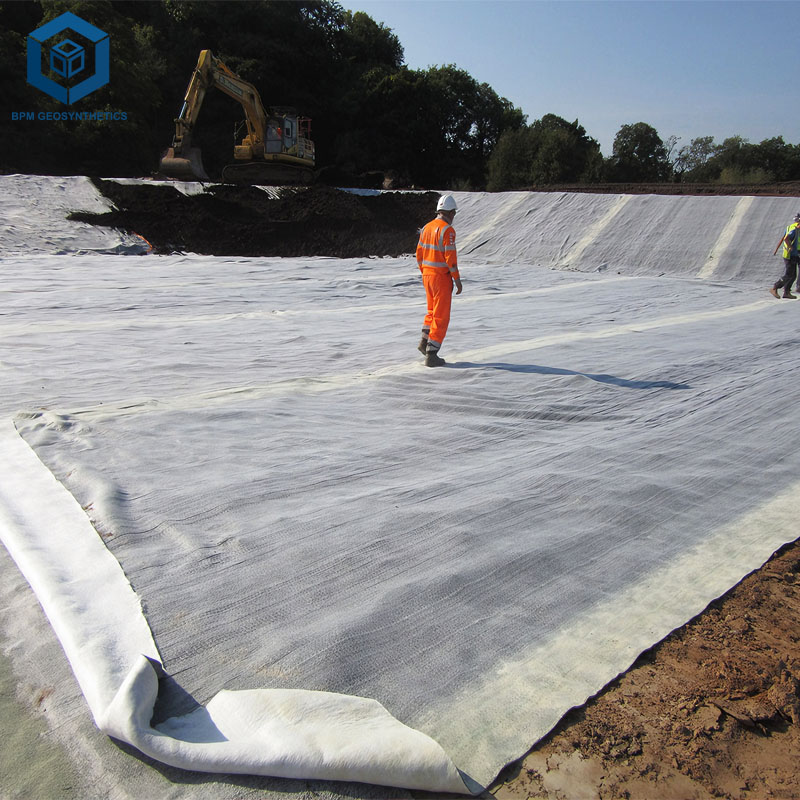
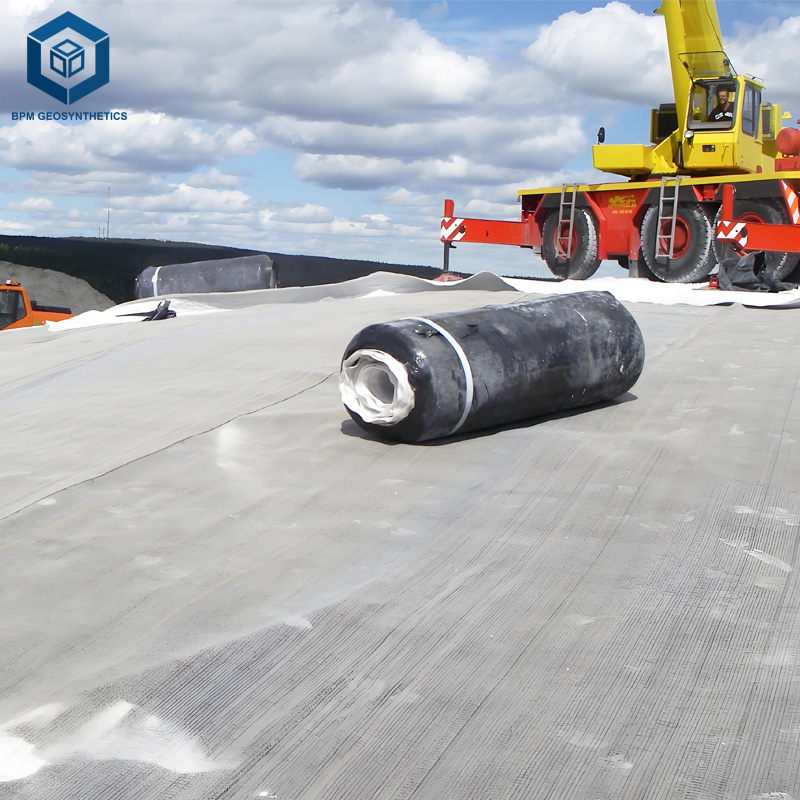
Because GCL is manufactured in factory-controlled rolls, it is easier to transport, handle, and install compared with traditional clay materials. Large roll widths allow rapid deployment on-site, helping reduce construction schedules and labor costs for large engineering projects.
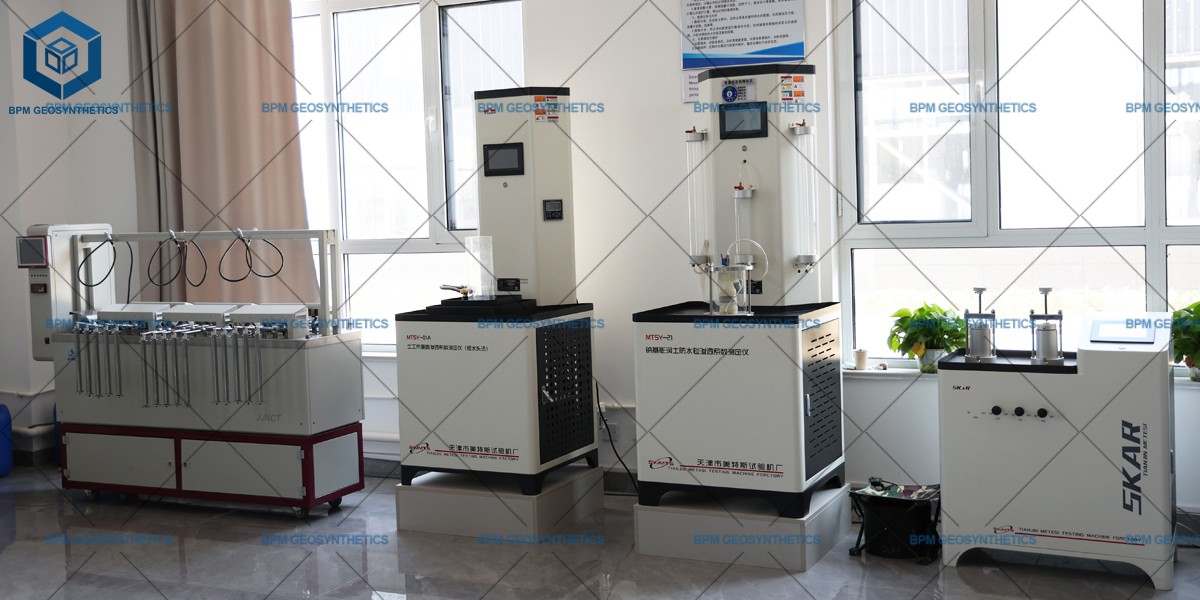
3. Geosynthetic Clay Liner GCL Typical Technical Specifications
While specifications may vary depending on project requirements and manufacturer design, common GCL properties include:
- Bentonite mass: typically 4–6 kg/m²
- Hydraulic conductivity: ≤ 5 × 10⁻¹¹ m/s
- Peel strength: high bonding strength between geotextile layers
- Roll width: generally 4–6 meters
- Roll length: 30–40 meters or customized
- Mass per unit area: approximately 4,000–6,000 g/m²
These specifications allow engineers to design effective barrier systems for demanding environmental containment projects.
4. Geosynthetic Clay Liner GCL Major Application Areas
Geosynthetic Clay Liner (GCL) is widely used in environmental protection, water management, and infrastructure projects due to its excellent sealing performance and reliable durability. Its ability to create a low-permeability barrier makes it an ideal solution for various containment and waterproofing applications around the world.
4.1 Municipal Solid Waste Landfills
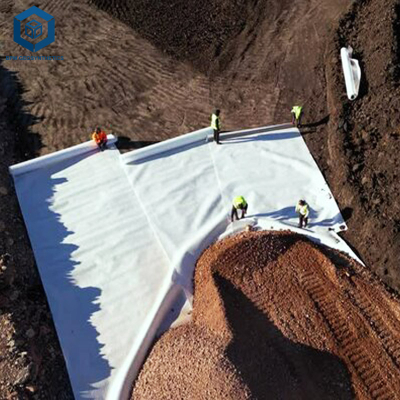
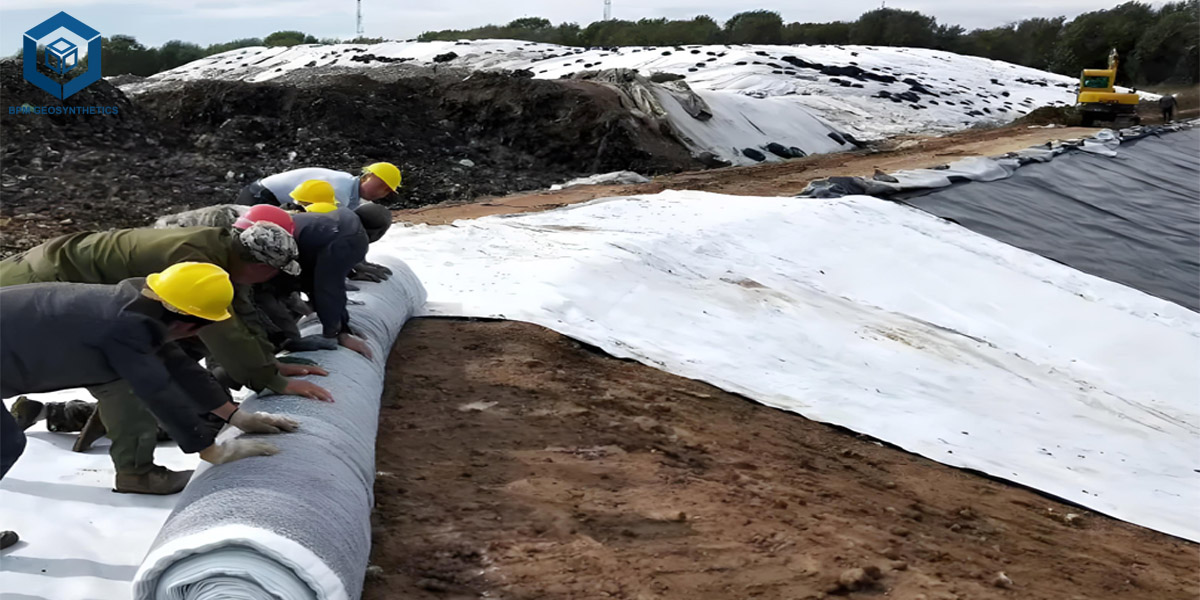
GCL is commonly used as a bottom liner and landfill cap system to prevent leachate from contaminating surrounding soil and groundwater. It is often installed together with HDPE geomembranes to form a composite barrier system that meets strict environmental protection standards.
- Example: In several municipal landfill expansion projects in Asia and the Middle East, gcl clay liner combined with HDPE geomembrane liners has been used to create high-performance containment systems that protect groundwater while meeting international environmental regulations.
4.2 Mining and Heap Leach Pads
In mining operations, gcl bentonite plays a critical role in seepage control for heap leach pads, tailings storage facilities, and processing ponds. The liner prevents chemical solutions used in mineral extraction from infiltrating the surrounding environment.
- Example: Copper and gold mining projects in South America have widely adopted gcl clay liner as part of multi-layer liner systems beneath heap leach pads to control chemical leakage and improve environmental safety.
4.3 Water Reservoirs and Canals
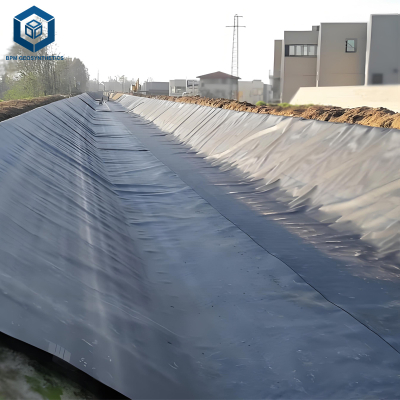
GCL is used in water reservoirs, irrigation canals, and water storage basins to reduce water loss caused by soil infiltration. Its ability to conform to uneven surfaces makes it especially suitable for large hydraulic engineering projects.
- Example: In agricultural irrigation projects in Central Asia and Northern China, GCL liners have been installed in canal systems to significantly reduce seepage losses and improve water use efficiency for farmland irrigation.
4.4 Industrial Waste Containment
Industries that produce hazardous liquids or chemical waste often require highly reliable containment systems. GCL is used as a barrier layer in industrial waste ponds, wastewater treatment facilities, and chemical storage areas.
- Example: Petrochemical facilities in the Middle East have used GCL liners beneath wastewater storage lagoons to prevent contaminants from entering surrounding soil and groundwater.
4.5 Artificial Lakes and Decorative Ponds
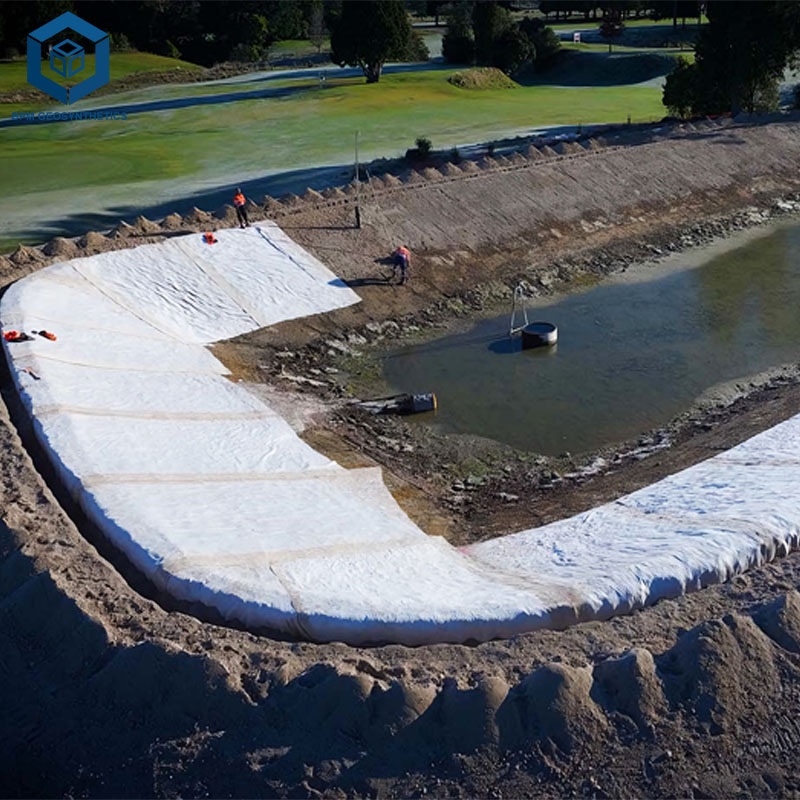
GCL is also widely applied in landscape engineering, including artificial lakes, park ponds, and decorative water features. It provides long-term waterproofing while maintaining environmental compatibility.
- Example: Many urban park lake construction projects in Europe and Asia have adopted GCL combined with geomembranes to create stable waterproof layers for artificial lakes and ecological landscape ponds.
4.6 Oil and Gas Containment Facilities
In the oil and gas industry, GCL is used as a secondary containment barrier beneath storage tanks, pipelines, and fuel storage areas. The liner prevents accidental spills or leaks from contaminating surrounding soil.
- Example: Oil storage terminals in North America have installed GCL beneath containment berms around storage tanks to provide an additional environmental protection layer against hydrocarbon leakage.
These diverse application scenarios demonstrate the versatility of Geosynthetic Clay Liners, making them an essential material for modern environmental protection, water management, and industrial containment systems.
5. Geosynthetic Clay Liner GCL Environmental and Economic Benefits
Geosynthetic Clay Liner (GCL) systems offer a combination of environmental protection and cost efficiency, making them a preferred choice in modern containment engineering. By utilizing natural bentonite and advanced geosynthetic technology, GCL provides reliable hydraulic barriers while reducing construction complexity and long-term maintenance requirements.
5.1 Protection of Groundwater Resources
GCL forms an extremely low-permeability barrier that prevents the migration of contaminants, leachate, and hazardous liquids into surrounding soil and groundwater. This protection is essential for landfill containment systems, industrial waste storage facilities, and mining operations where environmental safety is critical.
5.2 Reduced Material Consumption
Compared with traditional compacted clay liners that may require layers up to several feet thick, GCL achieves similar or better sealing performance with a much thinner structure. This significantly reduces the volume of materials required for construction and simplifies site preparation.
5.3 Lower Transportation and Logistics Costs
Because GCL is manufactured in lightweight rolls, it is easier and more economical to transport compared to large quantities of compacted clay. Fewer truckloads and reduced handling requirements help lower overall logistics costs for large-scale projects.
5.4 Faster Construction and Installation
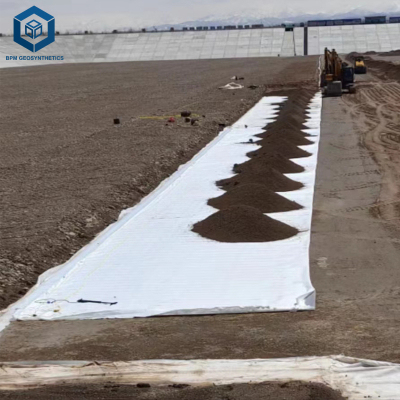
GCL can be quickly deployed on prepared subgrades, allowing large surface areas to be covered in a short period of time. This rapid installation reduces labor requirements and shortens project timelines, which is especially beneficial for large landfill or mining containment systems.
5.5 Long-Term Sealing Performance
The swelling capability of sodium bentonite allows GCL to maintain its sealing performance over long service periods. Even if minor punctures or damage occur, the bentonite can expand and fill gaps, helping maintain the integrity of the containment barrier.
5.6 Reduced Maintenance Requirements
Once properly installed and protected by cover layers such as soil or geomembranes, GCL systems require minimal maintenance. This reliability reduces long-term operational costs for infrastructure owners and environmental management projects.
5.7 Sustainable and Environmentally Friendly Material
GCL incorporates natural bentonite clay, which is an environmentally safe material. Combined with geosynthetic reinforcement, the system provides an effective containment barrier while minimizing the environmental footprint of construction projects.
5.8 Improved Project Cost Efficiency
By reducing material consumption, transportation costs, construction time, and maintenance requirements, GCL offers an economically efficient solution for large-scale environmental containment and water management projects.
These environmental and economic advantages make Geosynthetic Clay Liners an ideal material for sustainable infrastructure development, supporting responsible resource management and long-term environmental protection.
6. Geosynthetic Clay Liner GCL – FAQ
Q1: What are the main advantages of GCL compared to traditional clay liners?
A: GCL offers several advantages including thinner structure, faster installation, consistent factory quality, strong self-sealing capability, and lower transportation and construction costs compared with traditional compacted clay liners.
Q2: How does GCL achieve waterproofing performance?
A: The sodium bentonite clay inside the liner swells when exposed to water, creating a dense barrier that significantly reduces permeability and blocks the movement of liquids and contaminants.
Q3: Can GCL be used together with geomembranes?
A: Yes. In many engineering projects, GCL is combined with HDPE geomembranes to create a composite liner system that provides enhanced impermeability and additional environmental protection.
Q4: What factors should be considered when installing GCL?
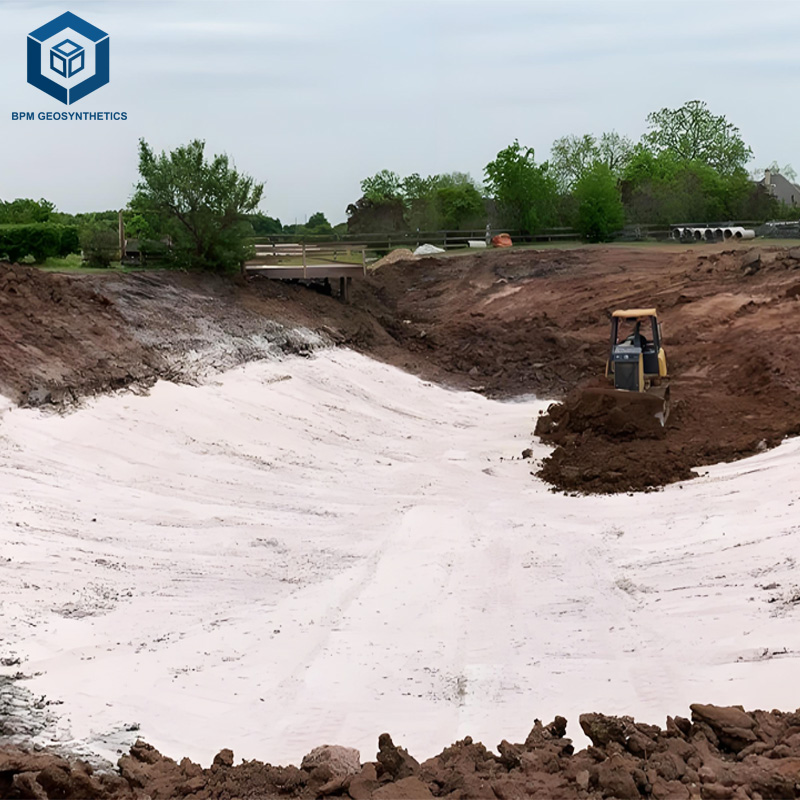
A: Key factors include preparing a smooth subgrade, ensuring proper panel overlap, protecting the liner from excessive moisture before covering, and installing appropriate cover materials such as soil or geomembrane layers.
Conclusion
As environmental regulations and containment performance requirements continue to become more stringent, Geosynthetic Clay Liner GCL has emerged as a reliable and efficient barrier technology. With its combination of natural bentonite sealing capability, strong geotextile reinforcement, and flexible installation characteristics, GCL provides a cost-effective and environmentally responsible solution for modern containment engineering.
For projects requiring high-quality geosynthetic containment materials, selecting a trusted The Best Project Material Co., Ltd.(BPM Geosynthetics)manufacturer can ensure consistent product performance, professional technical support, and reliable long-term protection for critical infrastructure and environmental systems.